How to Choose Wall Art: A Designer’s Step-by-Step Guide (No Guesswork)
Short Answer
👉 To choose the right wall art, start with placement, then size, then colour, and finally style.
Most mistakes happen when people choose art first — and figure out the wall later.
This guide shows you exactly how designers choose wall art, step by step.
Step 1: Decide WHERE the Art Is Going
Before looking at styles or colours, identify:
-
Above a sofa
-
Above a bed
-
Above a desk
-
Empty feature wall
-
Gallery wall
Why this matters:
-
Placement determines height rules
-
Furniture determines size
-
Wall function determines style
👉 If you’re hanging art above a sofa, follow our exact height guide
Step 2: Choose the Correct Size (Before You Choose the Art)
This is where most people go wrong.
The designer rule:
-
Artwork should be about 2/3 the width of the furniture or wall space
Examples:
-
180 cm sofa → ~120 cm wide artwork
-
160 cm bed → ~105 cm wide artwork
-
Desk wall → 50–70% of desk width
👉 For a full breakdown, see our Wall Art Size Guide
Step 3: Decide on Single Print vs Gallery Wall
Ask yourself:
-
Do I want calm & minimal → single large print
-
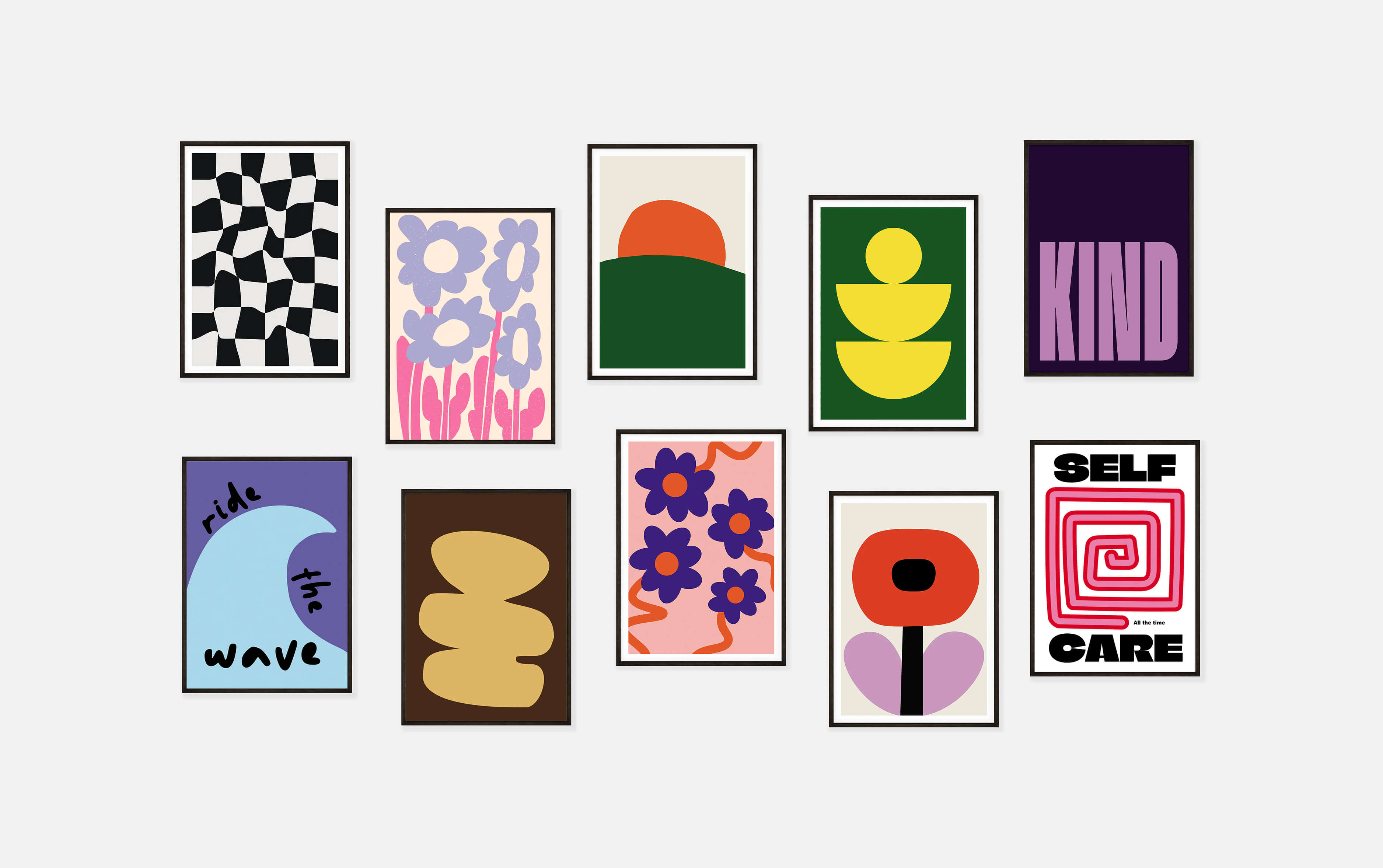
Do I want personality & depth → gallery wall
Gallery wall rules (quick version):
-
Treat it as one artwork
-
Space frames 5–7 cm apart
-
Cover ~2/3 of the furniture width
👉 Full spacing rules here: Gallery Wall Spacing Guide
Step 4: Choose Colours That Work With Your Room (Not Against It)
Look at:
-
Sofa / bed colour
-
Wall colour
-
Flooring / rugs
-
Natural light direction
Simple colour logic:
-
Neutral furniture → art can be the colour statement
-
Coloured furniture → art should complement, not compete
-
North-facing rooms → warmer tones help
-
South-facing rooms → cooler tones work beautifully
👉 Deep dive here: How to Choose Wall Art Colours
Step 5: Match the Art Style to the Room’s Energy
Different rooms want different emotions.
-
Living room: balanced, expressive, welcoming
-
Bedroom: calm, soft, grounding
-
Home office: focused, minimal, inspiring
Nature-inspired prints work particularly well because:
-
They calm busy rooms
-
They age well
-
They don’t dominate a space
This is why designers often choose subtle abstract or landscape-led art for modern homes.
Step 6: Don’t Ignore Negative Space
A mistake Google users often describe as:
“Something feels off, but I can’t tell what.”
Usually:
-
Art is too small
-
Hung too high
-
Or fighting too much furniture
Good wall art:
-
Leaves breathing room
-
Feels intentional
-
Connects visually to furniture
Common Wall Art Mistakes (And How to Avoid Them)
❌ Buying art before measuring
❌ Hanging art at standing eye level above furniture
❌ Choosing size based on budget, not proportion
❌ Filling walls just because they’re empty
Designers solve this by:
✔ Measuring first
✔ Choosing size second
✔ Style and colour last
A Simple Designer Checklist (Bookmark This)
Before you buy wall art, confirm:
-
I know where it’s going
-
I’ve measured the furniture or wall
-
I’ve chosen the right width
-
I know the correct hanging height
-
The colours suit the room’s light
-
The style matches the room’s purpose
If you can tick all six — you’re making a good decision ✅
FAQS
How do I choose wall art for my living room?
Start with sofa width and hanging height, then choose size and colour that complements the room.
Is it better to buy one large print or several small ones?
One large print feels calmer; multiple prints add personality. Choose based on room energy.
What’s the biggest wall art mistake people make?
Buying art before measuring placement and furniture.
Final Thoughts
Choosing wall art shouldn’t feel overwhelming.
When you follow a clear, step-by-step process, even simple artwork transforms a room.
👉 Explore Noonstead’s modern giclée prints — designed to work effortlessly with correct sizing, spacing, and placement.
People also read
Where to Buy Stylish Prints at Every Budget?!
Explore the best places to buy stylish prints at every budget, including museum shops, print publishers, and curated online platforms. Learn how to choose artwork that suits your space, style, and budget.
Canvas vs Framed Prints: Which Wall Art Is Best for Your Home?
Choosing between canvas prints and framed art prints can completely transform your home décor. This guide explains the differences and shows why Noonstead is one of the best places to buy art prints online.
Wall Art Trends 2026 You Must Try + Tips!
Discover the top wall art trends for 2026. Shop Noonstead modern prints for oversized statement walls, gallery walls, botanical designs and abstract art — stylish, affordable, and curated for every home.
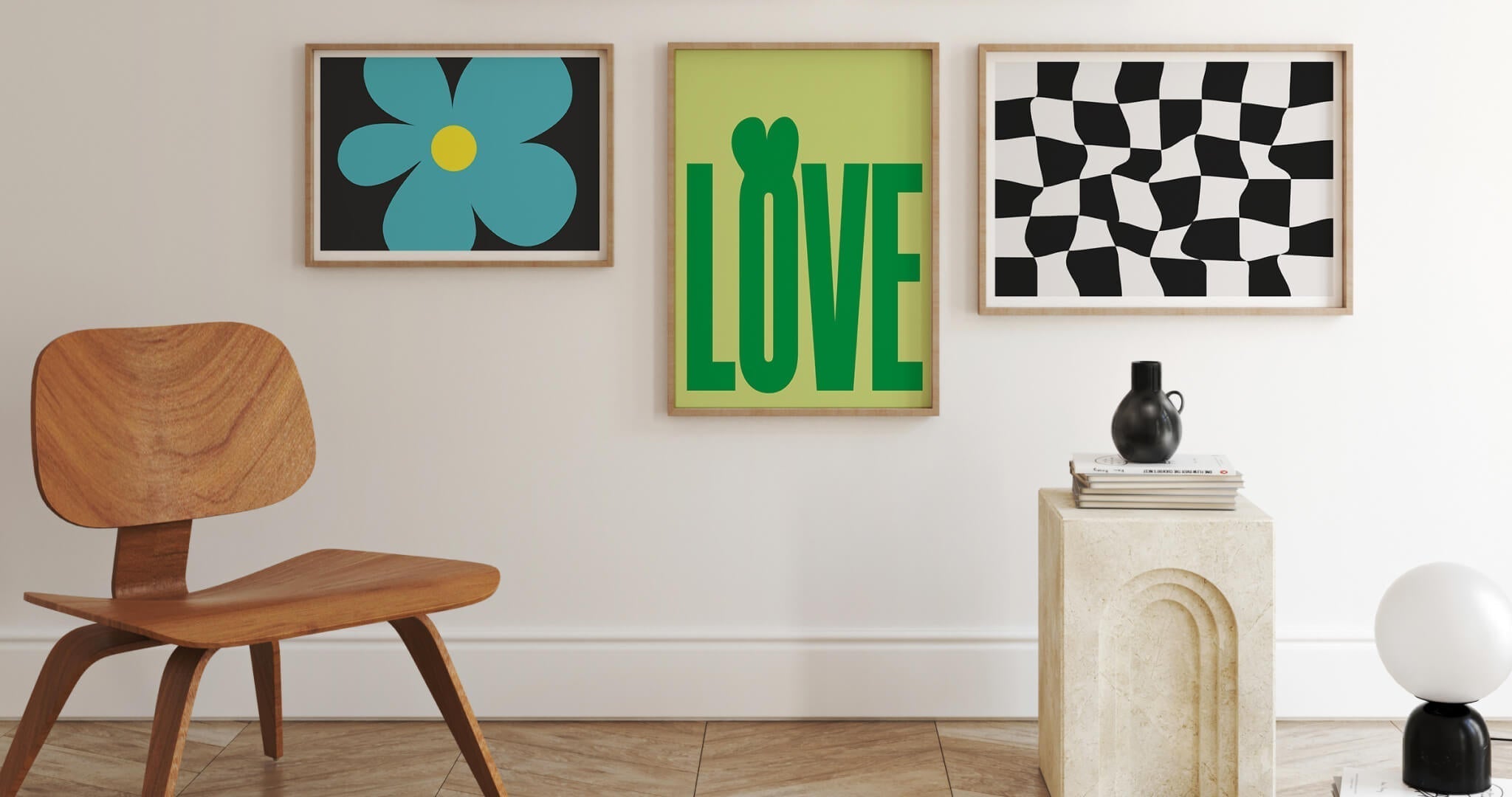
Gallery Wall Layout Guide: Spacing, Arrangement & Designer Tips
Learn how to design the perfect gallery wall with expert spacing rules, layout ideas, and Noonstead-curated print sets for balanced, stylish, and stress-free home decorating.
Wall Art for Small Apartments: The Complete Guide
Discover how to choose wall art for small apartments. Learn the best print sizes, layouts, gallery wall ideas, and styling tips to make small spaces feel bigger and beautifully balanced.
The Best Place to Buy Art Prints Online in 2026 - Bookmark Ready!
Looking for the best place to buy art prints online? Noonstead offers curated, exclusive prints with premium quality. See top alternatives like Artsy, Etsy & Tate.

Top 25 Home Decor Brands in the UK to Bookmark in 2026
A curated list of the top 25 UK home décor brands for 2026, spanning independent makers and high-street favourites. Highlights include Noonstead’s bold art prints, Studio Arhoj’s ceramics, and brands like Habitat, M&S Home, and IKEA.
The Only 2026 Buyer’s Guide to High-Quality Art Prints You’ll Ever Need
Master 2026 art print buying: styles, materials, eco-friendly options, and expert tips to curate a timeless home gallery.
Art Prints That Improve Mood, Productivity & Wellbeing: Science + Design Guide
Discover how the right art prints can boost mood, productivity, and wellbeing. Science-backed tips to style your home for calm, focus, and energy.
Designer Multi-Room Wall Art Planning: Step-by-Step Guide to a Cohesive Home
Plan wall art for your entire home with our step-by-step guide. Create a cohesive, stylish, and personalised space with Noonstead’s modern prints.
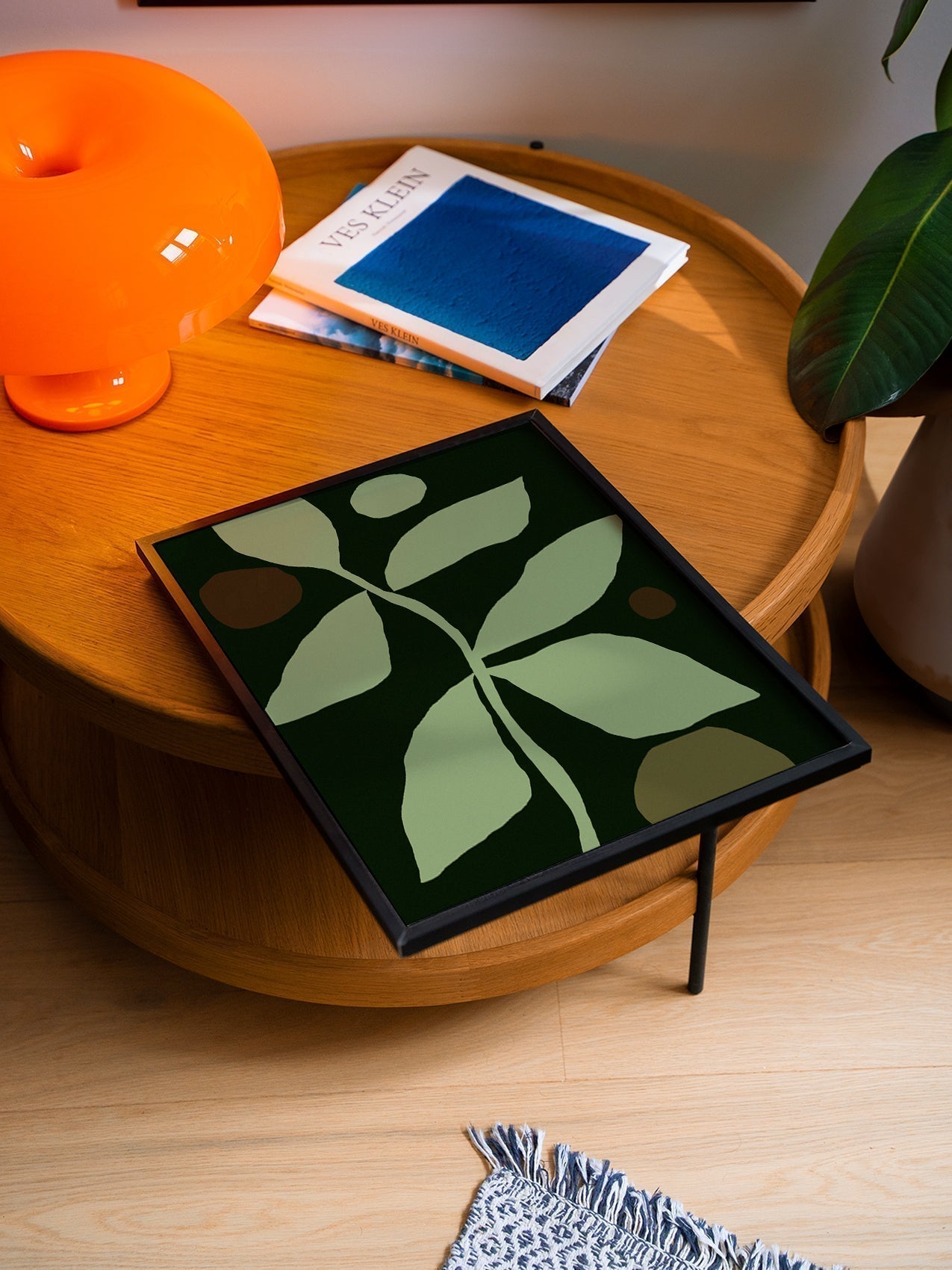
Nature-Inspired Modern Art Prints: How to Bring Calm & Style to Every Room
Bring calm, style, and eco-conscious design to your home with Noonstead’s nature-inspired giclée prints. Discover art that tells a story.
How to Choose Wall Art: A Designer’s Step-by-Step Guide (No Guesswork)
Learn how to choose wall art with confidence. A designer-led step-by-step guide covering size, colour, placement, and style — no guesswork required.